“Focus is a privilege” is the central line behind ATÉN. It is also a line that deserves explanation.
The privilege is not the product, the price of an object, or membership in an exclusive group. It is the condition of being able to give something your undivided attention.
Is “privilege” about status?
No. ATÉN does not use the word to suggest that focused people are more deserving, more disciplined, or more successful than everyone else.
It describes a condition that is valuable partly because it is not always available. Time can be interrupted. Work can be fragmented. A home can be noisy. Caregiving, health, shift schedules, financial pressure, and other people’s demands can determine how much control someone has over an hour.
| The phrase means | The phrase does not mean |
|---|---|
| Attention is valuable and often scarce. | Only certain people deserve to focus. |
| Conditions for concentration can be built where possible. | A lack of focus is a personal failure. |
| Objects and routines can mark intention. | Eyewear can manufacture concentration. |
| Protecting attention requires choices. | Every person has equal control over those choices. |
A product cannot equalize those conditions. It should not pretend it can.
Why use a word with that weight?
Because focus is often discussed too casually. It is treated as a switch that disciplined people should be able to turn on, regardless of circumstance.
In practice, sustained attention asks for time, boundaries, and an environment that does not continually request a response. Those conditions may be temporary. They may also be hard won.
Calling focus a privilege is a way of refusing to take that state for granted. It does not romanticize productivity. It recognizes the difference between being busy and being able to stay with one meaningful task.
The phrase also carries a responsibility. If attention is valuable, a brand should not waste it with false urgency, exaggerated promises, or a catalog designed to create confusion.
Can a pair of glasses create focus?
No.
Glasses cannot choose the work, silence a phone, close unnecessary tabs, negotiate uninterrupted time, or complete a difficult thought. They cannot guarantee concentration, motivation, creativity, or productivity.
ATÉN does not use “focus” as a medical or performance claim. ATÉN eyewear is designed for people who value focused work. That describes an intended context and a point of view. It is not a promise about what will happen after the frame is put on.
This distinction matters. The blue-light category often moves too quickly from describing a lens to predicting a result for the person wearing it. A filter specification can describe measured light transmission. It cannot, by itself, prove a change in attention or wellbeing.
What can an object do?
An object can mark a transition.
A notebook opened at the start of a session, a lamp switched on at a desk, or a pair of glasses chosen for a particular context can become part of a routine. The object does not perform the work. It gives the routine a visible edge.
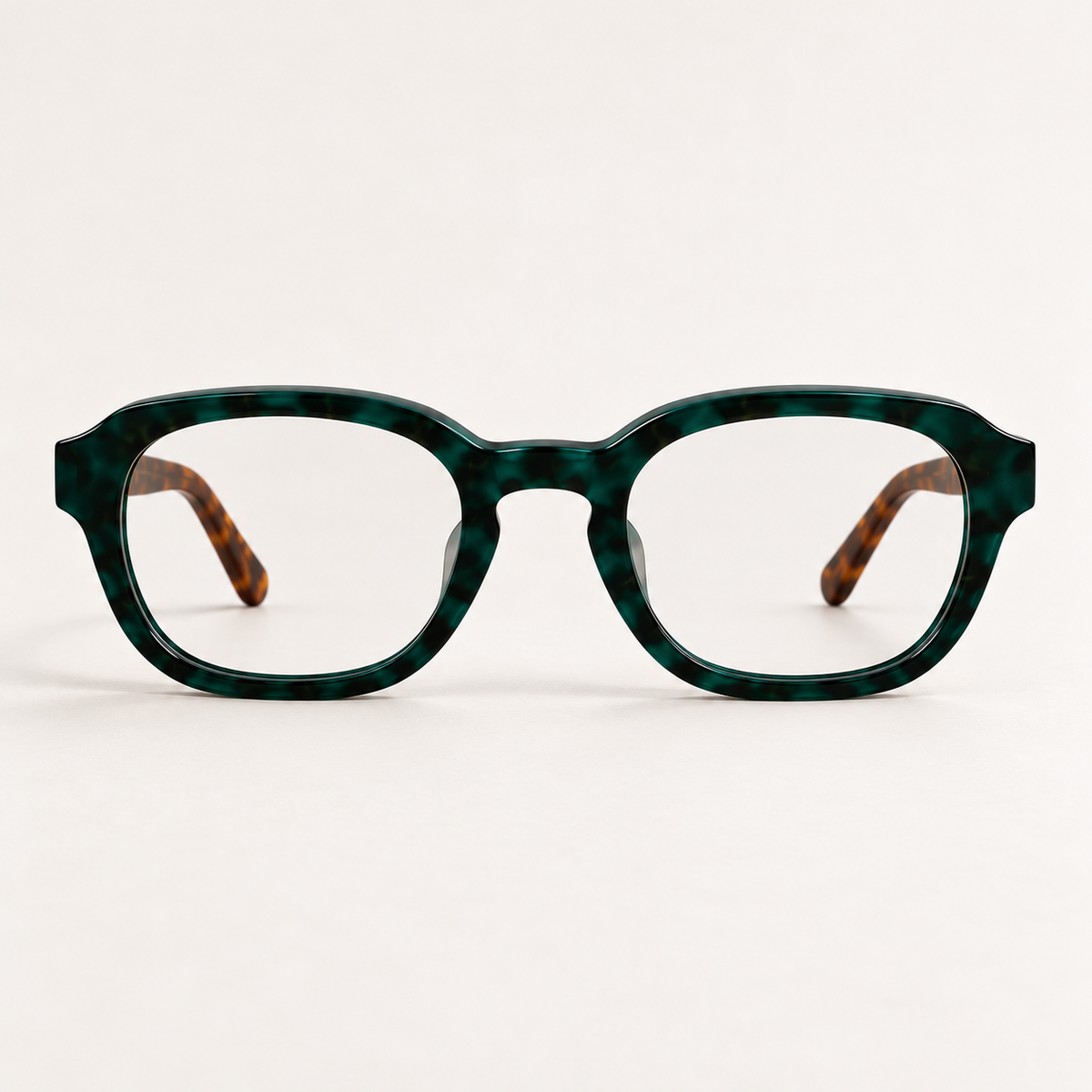
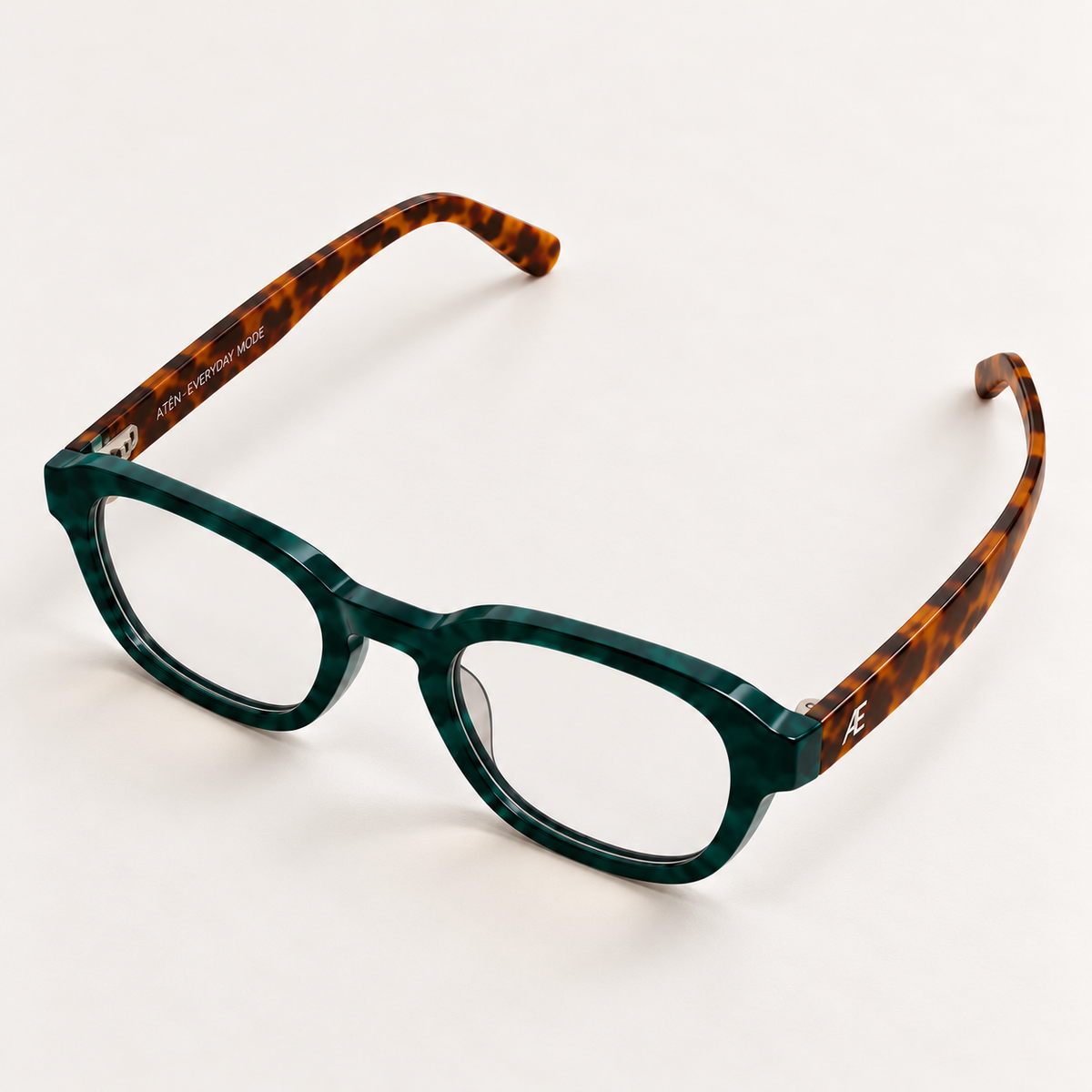
That is the role ATÉN is built to occupy. Everyday Mode, Focus Mode, and After Hours create distinct choices for different moments. The choice can be intentional without being therapeutic. A wearer may use that change as a personal cue, but ATÉN will not turn an individual ritual into a universal outcome claim.
The frame is a tool within an environment. It is not the environment itself.
What does protecting attention look like in practice?
There is no single ritual, and control is never absolute. A useful practice may be modest:
- Decide what one period of work is for before it begins.
- Remove notifications that do not need an immediate answer.
- Keep only the materials required for the current task in view.
- Choose lighting, sound, and physical position deliberately where circumstances allow.
- Select a lens mode for its tint and intended context, not as a guarantee of an outcome.
- Give the session an ending rather than allowing work to expand indefinitely.
None of these actions makes distraction disappear. Their value is that they convert a general wish to focus into a few specific decisions.
Does distraction mean a lack of discipline?
No. Distraction has many sources, and not all of them are voluntary.
A person working between responsibilities does not have the same conditions as someone with a closed door and an empty calendar. Fatigue, disability, illness, family needs, and the structure of a job can all shape attention. It would be careless to turn focus into a moral ranking.
Discipline still matters, but discipline is not punishment. It can mean making one realistic boundary and keeping it. It can also mean recognizing when the conditions for demanding work are not present.
“Focus is a privilege” should increase that awareness, not erase it.
Why make focus part of a design brand?
Because design is a practice of directing attention.
A designer decides which line matters, which material belongs, which feature should remain quiet, and what can be removed. A wearer makes related decisions: what to place on the face, what mood to express, and what belongs in a particular part of the day.
ATÉN uses one silhouette, three frame treatments, and three lens modes because the system itself should express selection. The brand does not need endless novelty to demonstrate activity. It needs each choice to have a reason.
In that sense, focus is not an effect produced by the eyewear. It is the standard used to design it.
How should the phrase govern ATÉN?
It should make the brand quieter and more exact.
It should prevent ATÉN from using fear to sell a lens. It should rule out promises about concentration, sleep, eye strain, or health that the finished product has not proved. It should resist product sprawl, manufactured urgency, and language that asks for attention without rewarding it.
Most importantly, it should keep the wearer in control of the meaning. ATÉN can make an object for focused work. Only the person wearing it can decide what deserves that focus.
Focus is a privilege because it is scarce, not because it is exclusive. The aim is not to possess more of it than someone else. The aim is to recognize it when it becomes available—and use it with intention.
This distinction is formalized in the ATÉN Claims Standard. The lens guide describes each mode by tint and intended context without promising a personal outcome. Explore every pairing in the ATÉN collection.

Leave a comment
All comments are moderated before being published.
This site is protected by hCaptcha and the hCaptcha Privacy Policy and Terms of Service apply.