
Last reviewed October 2026.
Jet lag begins when the clock on the wall and the clock in the body disagree. Light is one of the strongest time cues available, but the useful question is not simply whether light is blue. It is whether the light arrives at the right time for the direction you are traveling.
A tinted lens can reduce some wavelengths reaching the eye. It cannot calculate the right exposure window, replace daylight after arrival, or erase a night of missed sleep. Build the schedule first.
What should change before departure?
The US Centers for Disease Control and Prevention recommends moving sleep toward the destination time for a few days when possible. For westward travel, that can mean going to bed an hour or two later. For eastward travel, an hour or two earlier.
Do not force a heroic reset the night before the flight. Arriving already sleep-deprived adds a second problem to the first. If an important meeting is waiting, the CDC suggests arriving at least two days early when possible.
Pack for conditions rather than for a miracle: an eye mask, earplugs, water, layers, and one pair of frames you are comfortable wearing for hours.
Which clock should govern the flight?
Once aboard, set the phone and watch to destination time. Use that clock to decide when to eat, work, seek light and try to sleep.
If it is daytime at the destination, keep the environment reasonably bright, move around the cabin and resist turning the whole flight into a dim cocoon. If it is night, lower the screen, reduce the overhead light, use an eye mask when sleeping, and avoid making the seatback display the brightest object in your field of view.
Hydration does not reset a circadian clock, but dehydration can make travel feel worse. The CDC also advises limiting excess alcohol. Caffeine is a timing tool rather than a permanent solution; late use can collide with the sleep period you are trying to adopt.
Can tinted lenses prevent jet lag?
No lens should be sold with that promise. Jet lag depends on direction, time zones crossed, sleep loss, prior light exposure and individual timing. Strategic light exposure can help shift the body clock, but the correct window can reverse depending on the route.
This is why generic advice such as “block blue light on every flight” is too simple. Strong filtration at the wrong time could remove a daytime cue you wanted. The CDC Yellow Book recommends personalised timing tools for complex trips because light avoidance and light seeking both have a role.
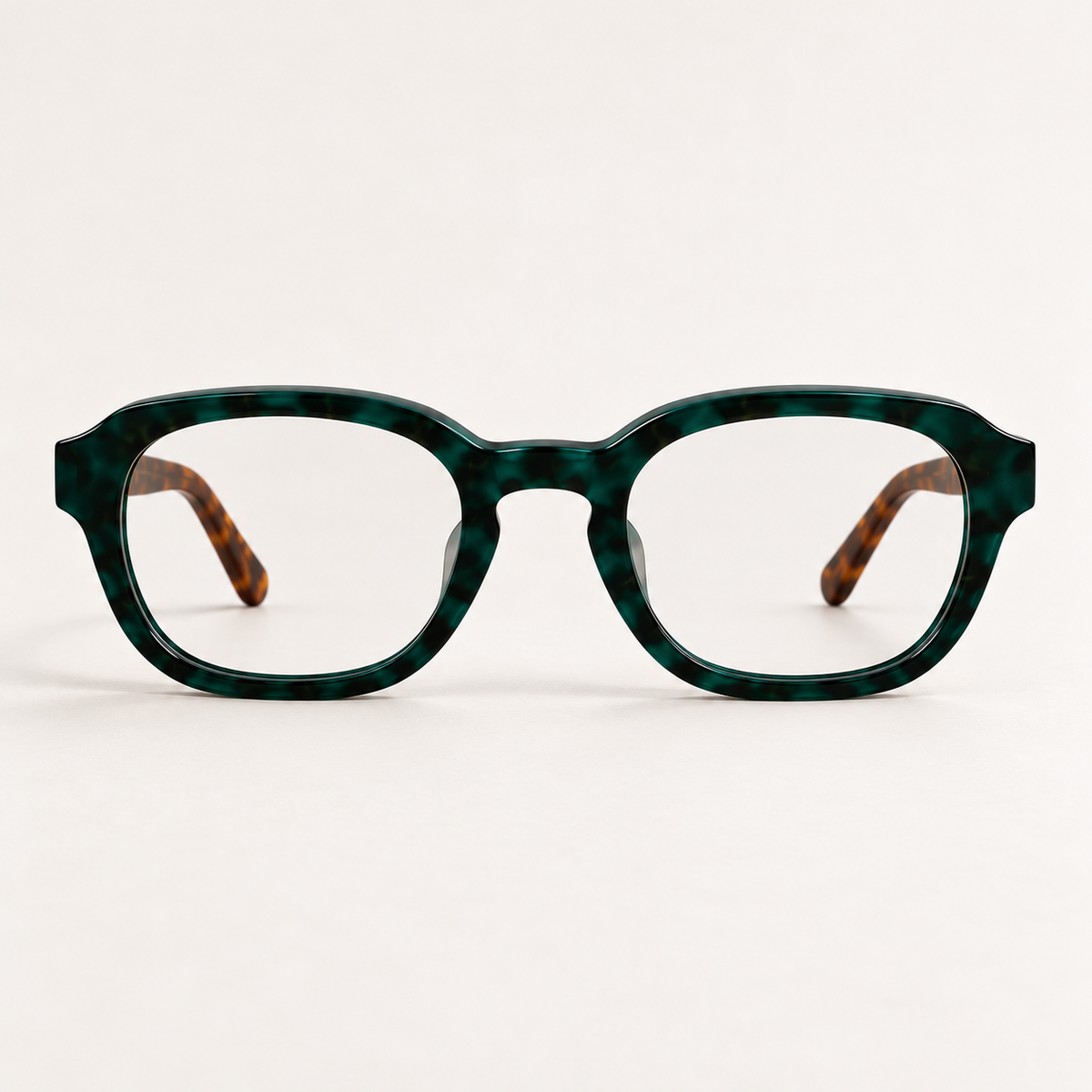
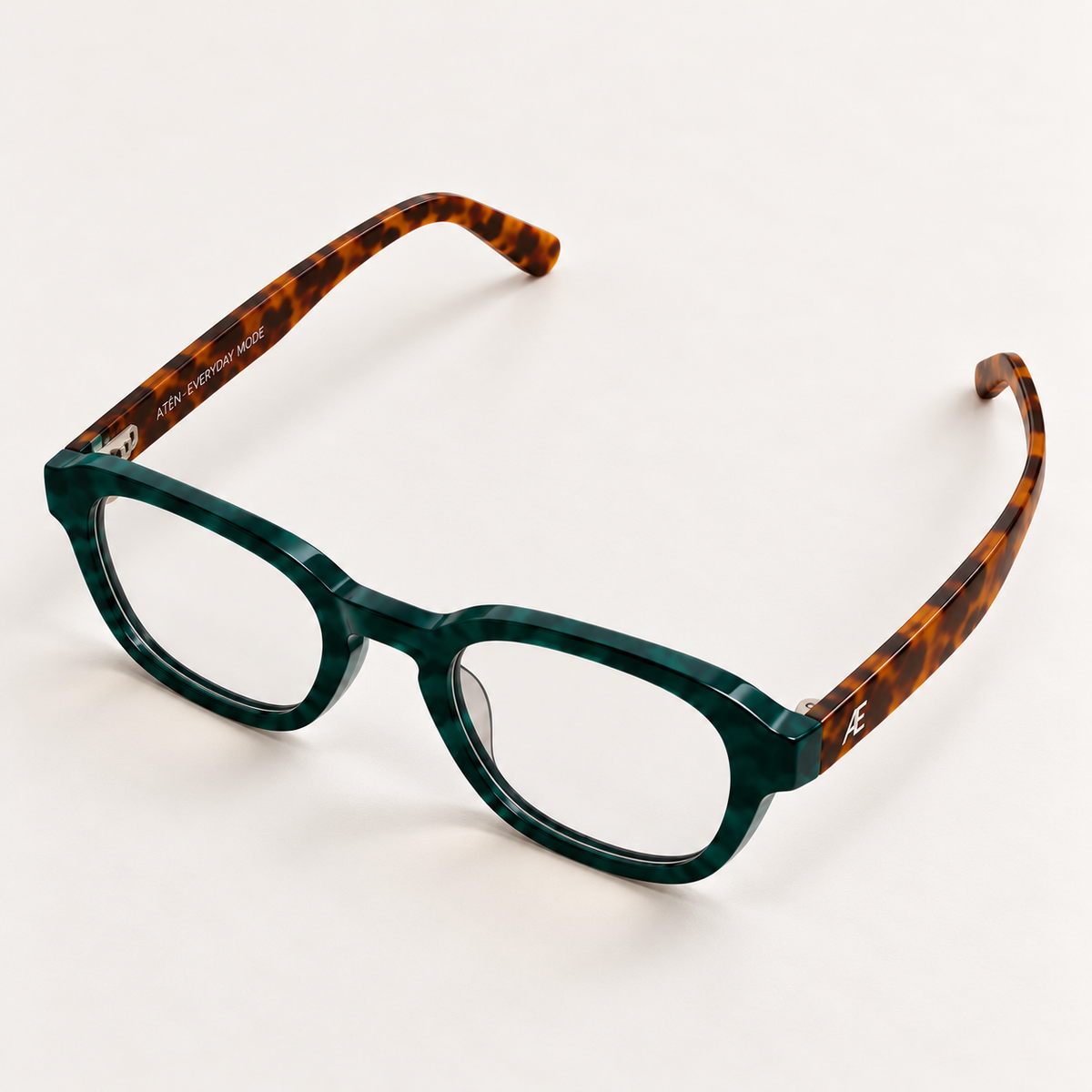
If you use ATÉN on a flight, match the mode to the destination hour. Everyday Mode has a subtle warm tint and the least colour shift. Focus Mode has a pronounced amber tint and is unsuitable when precise colour matters. After Hours has a deep red tint and the darkest view. It is not a jet-lag treatment, and it is not for driving or walking through low-light environments where colour and visibility are safety-critical.
What matters after landing?
Change to local time quickly. The NHS advises getting outside during the day, sleeping at night rather than taking a long daytime nap, and using an alarm to avoid oversleeping the next morning.
Daylight after arrival is usually more important than the light emitted by any one device. Eat and move on the new schedule. Keep the hotel room bright during the local day, then make it properly dim when the local evening begins.
For a short two- or three-day trip, the NHS notes that staying closer to home timing may sometimes be more practical than shifting twice. This is a scheduling decision, not an eyewear decision.
How should the evening room be set?
Start with the obvious controls. Close the blackout curtain. Turn off the bathroom light spilling under the door. Lower the television and phone instead of relying only on a warmer display setting. Choose one low lamp rather than six ceiling spots.
Expert consensus recommends a bright daytime environment, much lower light during the three hours before sleep, and a sleep space that is as dark as practical. Those recommendations concern the whole field of light reaching the eye. A lens can reduce part of that field while it is worn; it cannot darken the room after it comes off.
What is a usable travel sequence?
- Three days before: move bedtime modestly toward the destination if the schedule allows.
- At boarding: change every clock to destination time.
- During destination day: seek light, move, work and eat.
- During destination night: dim screens and cabin light; use darkness for sleep.
- After arrival: get outside during the local day and avoid a long daytime sleep.
- Before local bedtime: lower the room light. Use a deep tint only if it suits the timing and the task.
What is the ATÉN position?
Travel rewards a system because conditions change quickly. The system still has to respect the clock. The strongest lens is not automatically the right lens, and the right lens is not a cure for a badly timed journey.
For a low-profile travel frame, see Crystal Clear. For the wider evidence, read what the research actually says.
Sources
US Centers for Disease Control and Prevention. Jet Lag.
CDC Yellow Book. Jet Lag Disorder.
NHS. Jet lag.
Brown TM, Brainard GC, Cajochen C, et al. Recommendations for daytime, evening, and nighttime indoor light exposure.
Explore ATÉN
For a low-profile travel frame, explore the Crystal Clear frame. Compare Everyday Mode, Focus Mode and After Hours, then read what the research actually says.

Leave a comment
All comments are moderated before being published.
This site is protected by hCaptcha and the hCaptcha Privacy Policy and Terms of Service apply.