
Modern evenings rarely follow the rhythm of sunset. Work continues, phones stay close and bright indoor lighting can keep the visual environment feeling like daytime.
Why timing matters
Light helps the circadian system distinguish day from night. Controlled studies support a circadian effect from evening light, but not the claim that every screen session ruins sleep. Higher-melanopic evening light can suppress melatonin, delay its onset and increase alertness; the response varies with brightness, duration, timing and prior daytime light exposure.
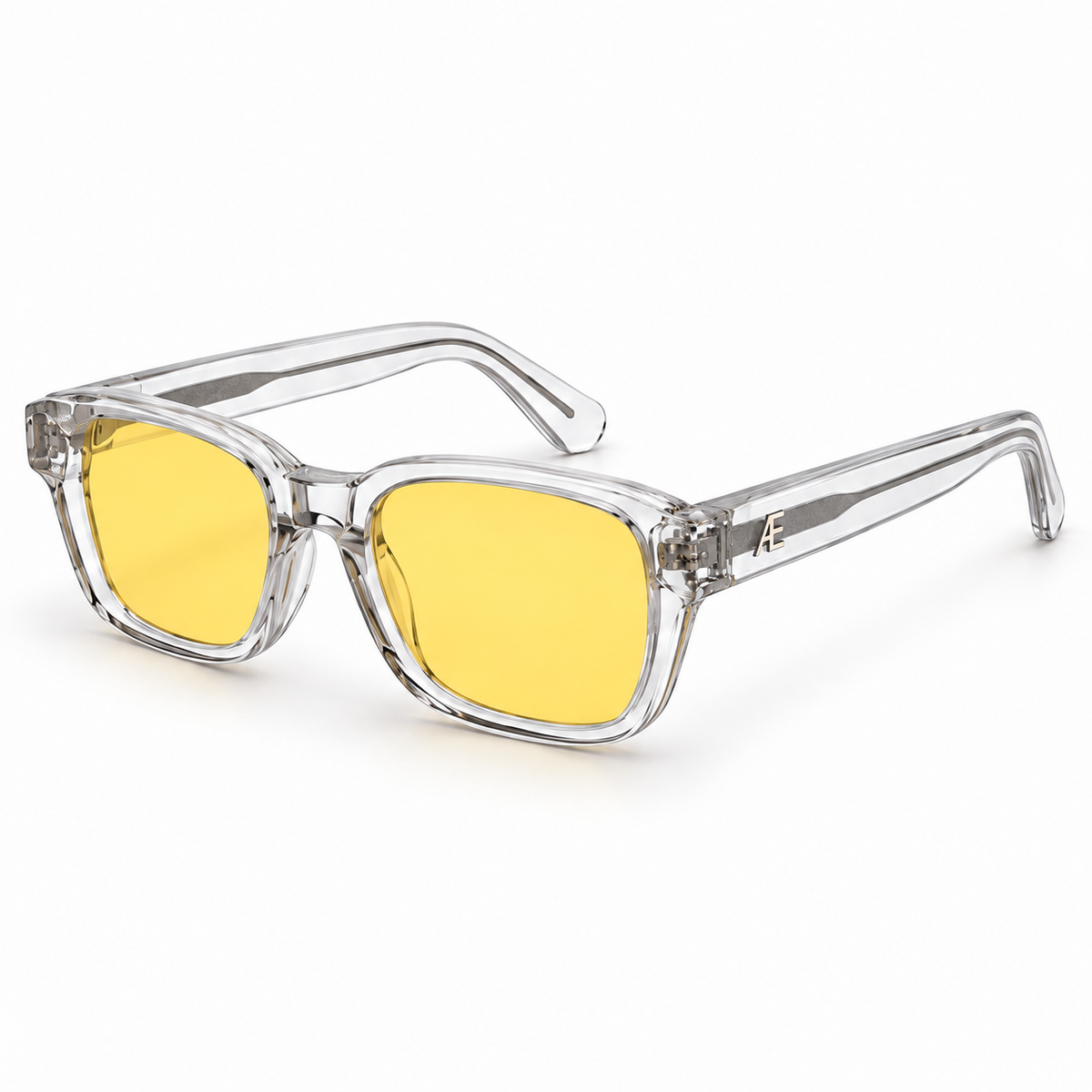
Research on blue-light-filtering glasses and sleep remains limited. Small trials report positive findings for strong amber lenses worn before bed, while broader reviews describe the evidence as mixed. Eyewear should therefore be presented as one part of an evening-light routine, not a treatment for insomnia.
Start with the room
Reduce unnecessary brightness, dim overhead lighting, lower display intensity and create some screen-free time before bed when possible. A consistent wake time and bright daytime light matter too, because the contrast between day and evening is part of the signal.
Where After Hours fits
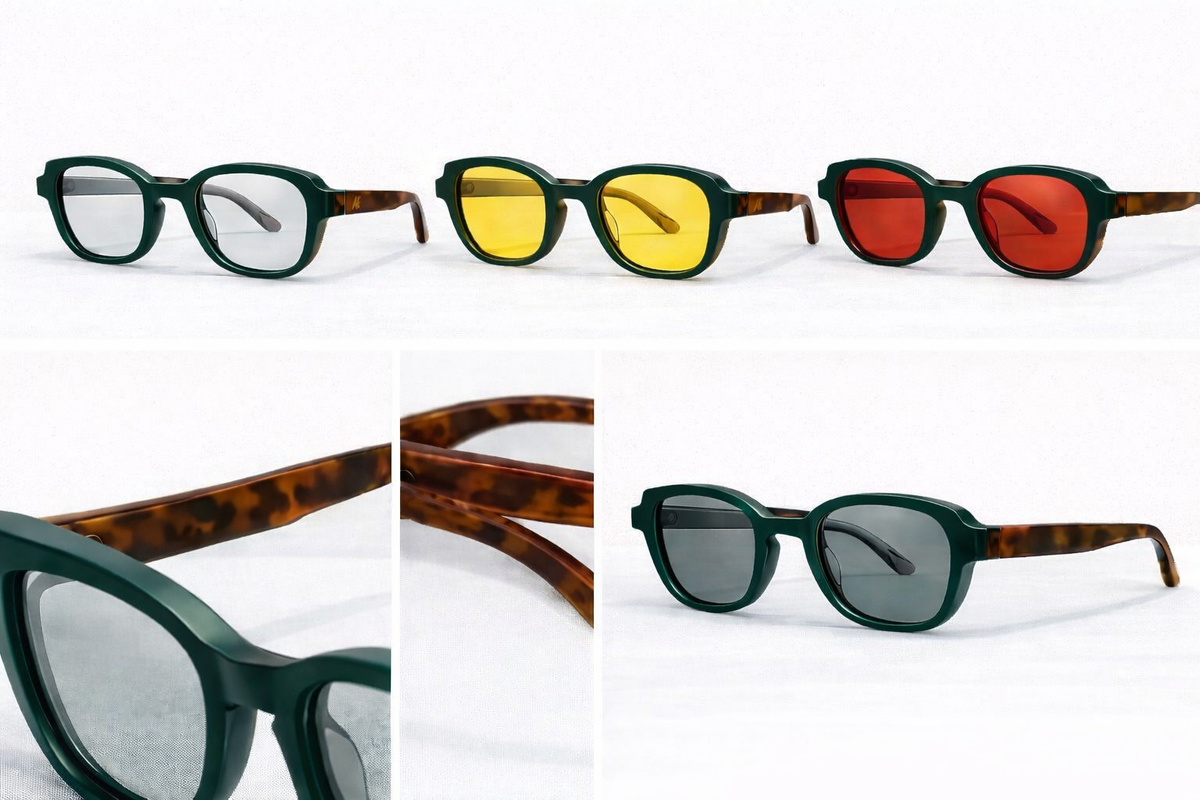
After Hours is ATÉN’s deep-red and strongest-filtering lens. It is intended for the final two to three hours before your usual bedtime, after colour-sensitive work is finished. It changes the light reaching the eye; it does not diagnose or treat sleep disorders, and it should not be worn while driving.
Read the broader evidence review in Do Blue Light Glasses Actually Work?, compare every tint in the ATÉN lens guide, and explore the ATÉN collection.

Leave a comment
All comments are moderated before being published.
This site is protected by hCaptcha and the hCaptcha Privacy Policy and Terms of Service apply.